
Cyberbullying Signs for Kids: What Parents Should Watch For
Understanding Cyberbullying Signs for Kids
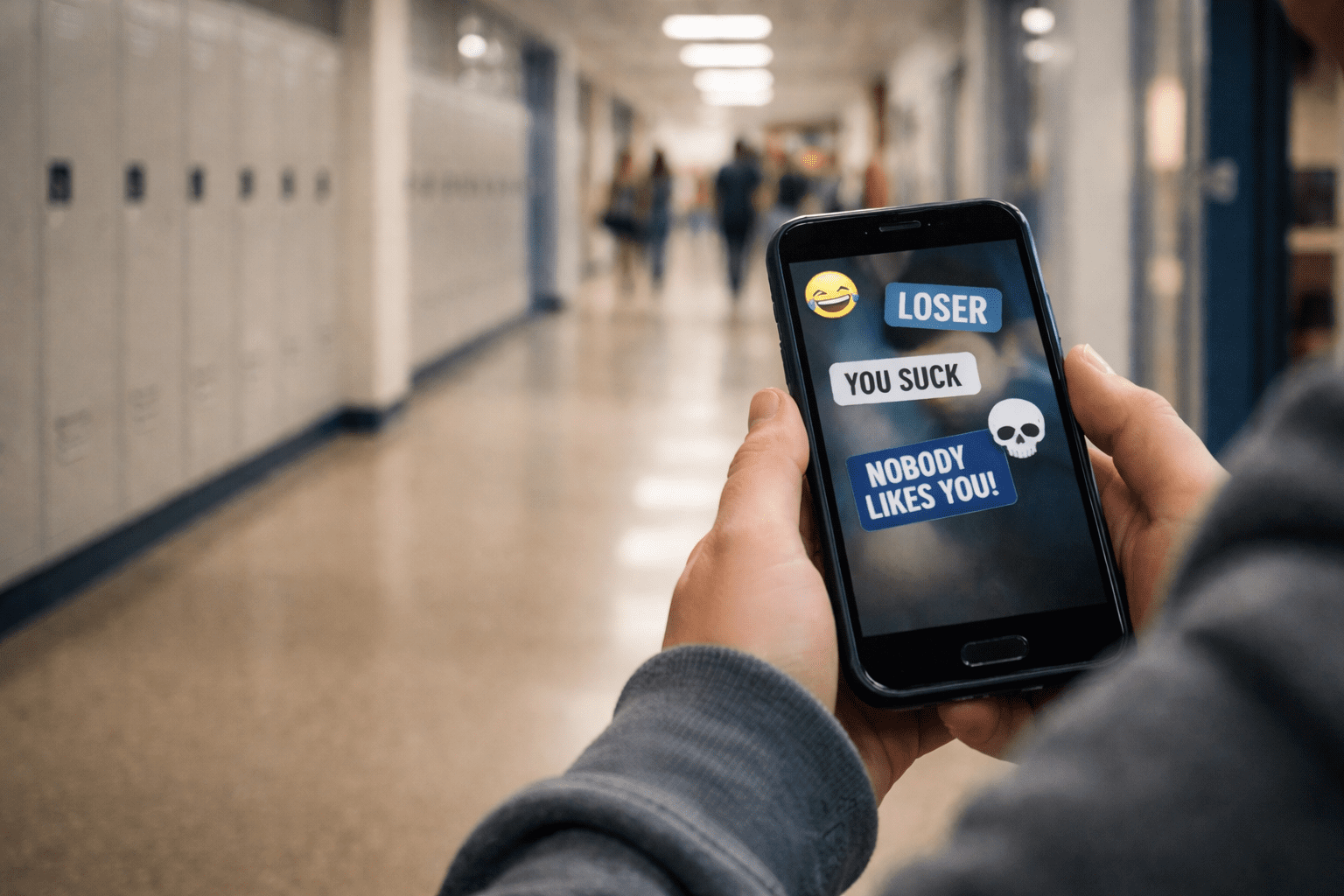
Cyberbullying is harassment or humiliation that happens through phones, games, social media, texts, group chats or other online spaces. It can include insults, threats, rumors, posting embarrassing photos, impersonation, exclusion from group chats or repeated unwanted contact. Unlike in-person bullying, cyberbullying can follow a child home, spread quickly and feel impossible to escape.
For parents, cyberbullying signs can be tricky because kids often try to hide what is happening. Some fear losing phone privileges. Others worry adults will “make it worse” by contacting the bully or the school. That is why it helps to focus less on one dramatic clue and more on patterns in mood, behavior and technology use.
Policy context matters, too. Many school districts can respond when off-campus online behavior disrupts learning or threatens student safety, even if it occurred after school hours. Schools also have obligations to address harassment that targets protected characteristics, such as race, disability, religion or sex, when it affects a student’s access to education. Knowing this can help you advocate calmly and effectively.
Recognizing the Signs or When to Be Concerned
Cyberbullying signs often look like stress, avoidance or sudden secrecy. A child may not say “I’m being bullied,” but their behavior may shift. Watch for changes that don’t match your child’s normal personality or routine.
Common cyberbullying signs in kids include:
- Sudden mood changes after using a device, including irritability, sadness or anger
- Avoiding school, clubs, sports or friend activities they used to enjoy
- Withdrawing from family, staying in their room or shutting down conversations
- Becoming unusually secretive about screens, accounts or notifications
- Deleting social apps, creating new accounts or frequently changing usernames
- Trouble sleeping, nightmares or wanting to sleep with lights on
- Loss of appetite or stress eating
- Headaches, stomachaches or frequent requests to stay home
- Falling grades, missed assignments or trouble concentrating
- Expressions of shame, worthlessness or “everyone hates me” language
Red flags that require faster action:
- Threats of self-harm or suicide, or comments that life is not worth it
- Messages that include threats of violence, stalking or sexual exploitation
- Nonconsensual sharing of images, especially sexual images
- A child refusing school entirely due to fear
- A noticeable spike in panic attacks, substance use or risky behavior
Age patterns can look different, so it helps to adjust your lens.
Elementary school (roughly ages 6–10):
- Upset after gaming chats or tablet use
- Sudden fear of certain classmates
- “Friend drama” that escalates through group chats run by parents or older siblings
- Clinginess, regression or tearfulness without a clear cause
Middle school (roughly ages 11–13):
- Obsession with group chats, streaks or being “left on read”
- Social exclusion used as punishment
- Rumors and humiliating screenshots shared widely
- Frequent account changes and spiraling anxiety about popularity
High school (roughly ages 14–18):
- Impersonation accounts, doxxing, threats or coordinated pile-ons
- Pressure to share images or engage in sexualized messaging
- Relationship harassment, including controlling behavior and digital monitoring
- A sharp drop in attendance, motivation or self-confidence
If you’re noticing several cyberbullying signs at once, especially tied to specific apps, group chats or gaming platforms, it’s reasonable to assume something is wrong even before your child confirms it.
The Research or Science Behind It
Cyberbullying can hit kids hard because their brains are still developing the skills that help adults regulate emotions and think long-term. During adolescence, social belonging carries extra weight. Peer approval and rejection activate powerful stress responses, and online spaces can magnify that stress because the audience feels endless and the content can be shared repeatedly.
Research on bullying and cyberbullying has linked repeated online harassment to higher rates of anxiety, depression, sleep problems and school avoidance. Kids who experience cyberbullying may also face social isolation, which can worsen symptoms over time. Some children respond by checking devices compulsively, trying to regain control of the situation. Others avoid screens entirely, which can look like “good behavior” but may actually be fear.
Timing matters. When cyberbullying signs first appear, early support can prevent a cycle where a child feels trapped, ashamed and alone. The longer harassment goes on, the more likely it is to affect identity, confidence and academic engagement. That is why parents should treat cyberbullying as a safety and health issue, not just “drama” or “kids being kids.”
How to Access Support or Take Action
When you suspect cyberbullying, your job is to reduce risk, preserve evidence and build a support system around your child. You do not need to solve it in one conversation.
Step 1: Start with a calm, specific check-in
Use observations, not accusations. Try: “I’ve noticed you seem upset after checking messages. I’m not here to take your phone. I’m here to help you feel safe.” If your child won’t talk, ask if they’d prefer writing it down or showing you later.
Step 2: Keep your child connected and safe
If your child is in distress, stay physically close, limit isolation and remove immediate stressors. For serious threats or self-harm language, seek urgent help through local emergency services or a crisis hotline in your country.
Step 3: Document what’s happening
Evidence matters for schools and platforms. Take screenshots that include usernames, dates and the full context. Save URLs, chat logs and images. Write down a timeline: when it started, where it happens, who is involved and how it affects your child at school.
Step 4: Use platform tools
Report harassment through the app or game. Block accounts when appropriate. Adjust privacy settings so strangers cannot message your child, tag them or add them to group chats. For impersonation or nonconsensual images, report immediately and keep records of your report.
Step 5: Contact the school with a clear request
Ask for the staff member responsible for bullying reports, often an assistant principal or counselor. Provide your documentation and request a plan with specific steps and check-in dates. Useful requests include:
- A safety plan for transitions, lunch and online class tools
- Seating changes or schedule adjustments if needed
- No-contact directives when appropriate
- Monitoring of school-based devices or platforms
- Support services such as counseling or a check-in adult
Parent rights and expectations
You can request that the school document your complaint and tell you what steps they are taking. The school may not be able to share another student’s discipline details, but they can share how they will protect your child and reduce ongoing harm. If harassment targets a protected characteristic or involves disability-related needs, ask about civil rights protections and whether a 504 plan or IEP supports are appropriate.
Step 6: Support your child’s mental health
If cyberbullying signs include sleep disruption, panic, self-harm thoughts or a major mood shift, consider therapy. A pediatrician can also screen for anxiety or depression and help you find resources. Even short-term counseling can help kids rebuild coping skills and confidence.
Timeline expectations
Platforms may respond within hours to days, but investigations can take longer. Schools typically need time to interview students and review evidence. Ask for a follow-up date within one to two weeks and a way to report new incidents immediately.
What Happens Next or Transition Planning
After the first response steps, expect a period of rebuilding. Many kids feel embarrassed that adults know. Others feel relieved and want frequent updates. Keep communication open with simple questions: “Any new messages today?” “Do you feel safe at school?” “Do we need to change anything about your accounts?”
If the situation affected attendance, grades or behavior, consider school-based supports:
- Short-term counseling or check-ins with a trusted staff member
- A quiet place for your child to go if they feel overwhelmed
- Adjusted deadlines while stress is high
- A 504 plan if anxiety substantially affects school functioning
- An IEP evaluation if a disability is suspected or existing needs have increased
For younger children moving into middle school, or middle schoolers moving into high school, transitions can re-trigger harassment through new group chats and social circles. Before the next school year, review privacy settings, set family guidelines for group chats and identify one adult at school your child can go to right away.
Long-term, the goal is not just to stop the behavior but to restore safety, confidence and healthy online habits. That includes teaching your child how to block and report, how to avoid escalating messages and how to seek help early when cyberbullying signs show up again.
Frequently Asked Questions (FAQ)
What are the most common cyberbullying signs in kids?
The most common cyberbullying signs include mood changes after screen time, increased secrecy, withdrawal from friends, sleep problems and school avoidance. Look for patterns that repeat around specific apps, chats or games.
When should I contact the school about cyberbullying?
Contact the school when online harassment affects your child’s ability to learn or feel safe, even if it happens off campus. If there are threats, nonconsensual images or severe anxiety, reach out immediately with documentation.
Should I take my child’s phone away if I suspect cyberbullying?
Usually no, because it can stop your child from telling you what is happening. Instead, preserve evidence, adjust privacy settings and create a safety plan together. Limiting certain apps temporarily can help if your child agrees.
How do I document cyberbullying the right way?
Take screenshots that show usernames, dates and the full message thread. Save links, images and report confirmation emails. Keep a written timeline of incidents and how they affected your child at school and at home.
What if my child is being cyberbullied through a game or group chat?
Games and group chats are common places for harassment because messages move fast and adults often miss them. Use in-app reporting and blocking tools, and consider turning off chat features. Teach your child to leave toxic group chats and tell you when harassment starts.
Is cyberbullying linked to anxiety or depression?
Yes, cyberbullying is associated with higher rates of anxiety, depression, sleep problems and school avoidance. If cyberbullying signs include hopelessness, panic or self-harm talk, seek professional support right away.
What happens if the cyberbullying involves a disability or protected trait?
If harassment targets a protected trait or a disability, schools may have legal obligations to address it as harassment that limits access to education. Ask about civil rights protections and whether 504 plan or IEP supports can help your child feel safe and able to learn.
References
Centers for Disease Control and Prevention: Preventing Bullying
U.S. Department of Education: Bullying and Harassment Guidance and Resources
StopBullying.gov: What Is Cyberbullying
National Institutes of Health: Teen Mental Health and Stress Resources
American Academy of Pediatrics: Media Use and Children’s Well-Being
American Psychological Association: Resilience and Coping for Youth