
NY Social Media Warning Labels: What Parents Should Know
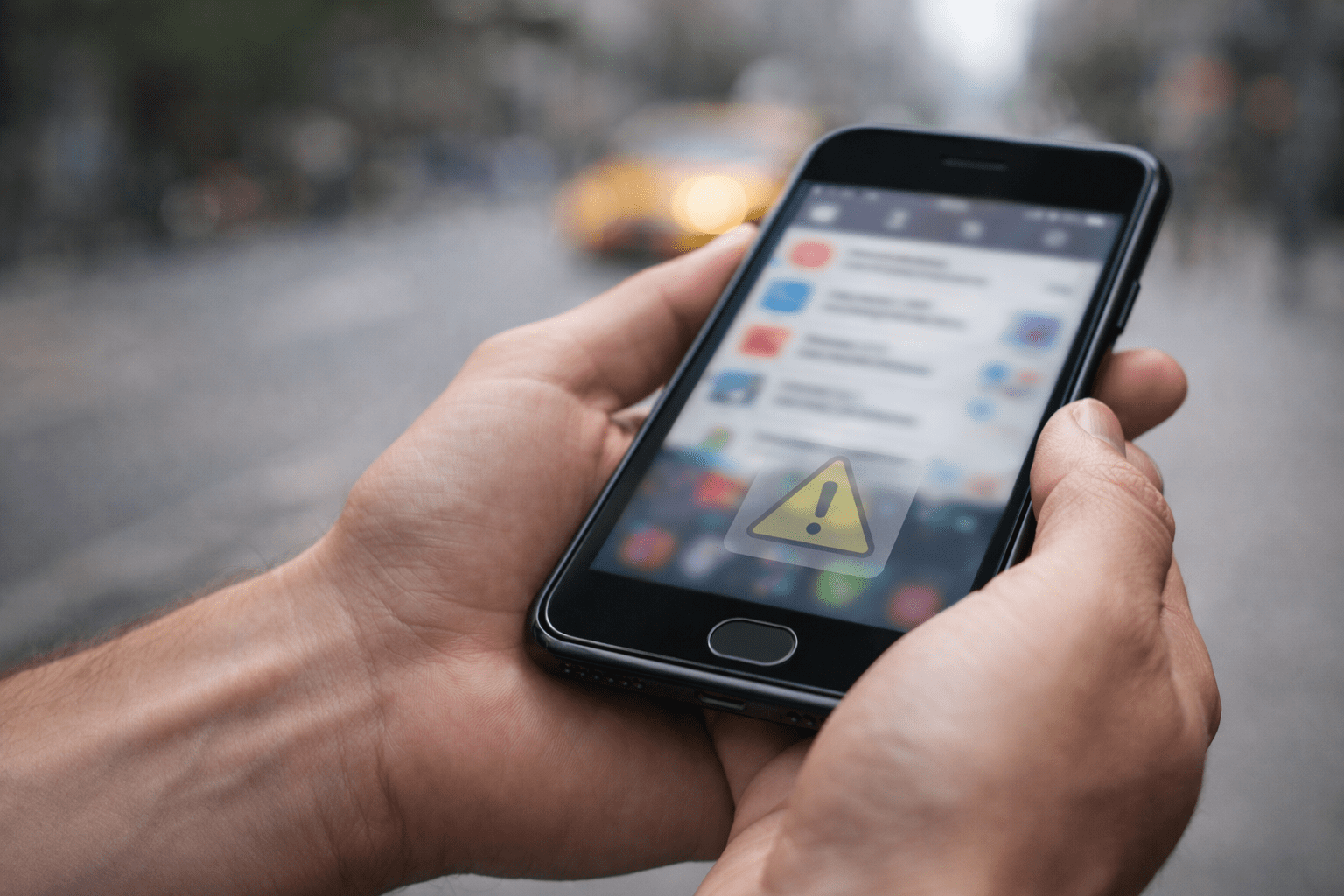
Parents across New York are watching proposals that would add warning labels to social media platforms, similar to health warnings you might see on other products. The idea behind NY social media warning labels (S4505/A5346) is straightforward: if certain online features can increase risks for kids, families deserve clear, consistent information at the point of use.
If you are raising a child or teen who lives on group chats, short-form videos or social feeds, a label alone will not change behavior overnight. But it can shift the conversation. It can also give parents a shared language to talk about risks, boundaries and support without turning every discussion into a fight.
This guide explains what NY social media warning labels are intended to do, what signs to watch for at different ages, what research says about mental health and brain development and how parents can take practical steps at home and with schools.
Understanding NY Social Media Warning Labels (S4505/A5346)
NY social media warning labels (S4505/A5346) refers to proposed New York legislation that would require some form of standardized warning notice tied to social media use, particularly for minors. While bill language can change as it moves through committees and amendments, these proposals generally aim to:
- Inform users, including teens and parents, about potential mental health risks associated with heavy or problematic social media use
- Increase transparency around design features that may encourage prolonged engagement
- Encourage platforms to present safety messaging in a consistent, easy-to-see way
Warning labels are not bans. They typically do not stop a teen from downloading an app or posting content. Instead, they are a policy tool meant to improve informed decision-making, increase awareness and support broader public health messaging.
For parents, the most important practical point is this: even if NY social media warning labels become law, your child’s experience will still be shaped most by daily habits, platform features, peer dynamics and your family’s boundaries. Labels can support you, but they cannot substitute for supervision, coaching and mental health care when needed.
Recognizing the Signs or When to Be Concerned
Social media can be fun and socially connecting. It can also amplify anxiety, sleep loss, body image stress and harassment. Watch for patterns that persist for more than a couple weeks or escalate quickly.
Common signs of unhealthy use across ages
- Sleep problems, especially staying up late to scroll or respond to messages
- Irritability when asked to log off or put the phone away
- Sudden drop in grades or refusal to attend school
- Pulling away from friends in real life, even if online activity increases
- Increased secrecy, deleting apps or hiding accounts
- Mood changes linked to posting, likes, comments or streaks
- Loss of interest in hobbies that used to matter
Age breakdown: what it can look like
- Elementary school (roughly 6–10): meltdowns when screen time ends, repeating mature content they saw, sudden fears, nightmares, copying risky “challenges”
- Tweens (roughly 11–13): obsession with group chat status, intense reactions to exclusion, body comparisons, staying up late to keep up with peers
- Teens (roughly 14–18): using social media to cope with sadness or stress, constant checking, riskier posts, sexual pressure, cyberbullying, escalating conflict with family about access
Red flags that deserve immediate attention
- Any mention of self-harm or suicide, even if it sounds like a joke
- Threats, stalking or sexual extortion
- Sharing nude images or being pressured to do so
- Sudden, severe sleep loss with significant mood swings
- Signs of an eating disorder or rapid weight change tied to online content
- A teen who cannot stop scrolling even when they want to, especially if it interferes with school, work or relationships
If you are seeing red flags, treat it like any other safety issue. Start with calm, direct questions and consider reaching out to your pediatrician, a school counselor or a licensed therapist. NY social media warning labels can raise awareness, but they will not identify which kids are struggling. That part still depends on adults paying attention.
The Research or Science Behind It
Researchers are still working out exactly how social media affects different kids, because outcomes vary by age, sleep, temperament and what content they consume. Still, several themes show up consistently in major medical and public health reviews.
Brain development and why timing matters
During late childhood and adolescence, the brain is especially sensitive to reward and social feedback. Likes, comments and streaks can create a powerful loop: post, check, feel a hit of relief or excitement, repeat. At the same time, the areas responsible for impulse control and long-term planning are still developing. That mismatch can make it harder for teens to disengage, especially when content is personalized and endless.
Key research findings parents should know
- Sleep is a major pathway. Late-night use is strongly linked to mood issues, attention problems and academic struggles. Even “quiet” scrolling can keep the brain alert and delay sleep.
- Social comparison matters. Appearance-focused feeds can increase body dissatisfaction and anxiety, especially for girls and kids already vulnerable to low self-esteem.
- Harassment is not rare. Cyberbullying and social exclusion can follow kids home, leaving them with fewer breaks from peer stress.
- Content can shape risk. Exposure to self-harm content, eating disorder content or substance use content can raise risk for vulnerable youth, even if they did not search for it.
- Not all use is equal. Passive consumption, doomscrolling and late-night checking tend to be worse than active, positive connection with known friends, in limited time blocks.
This is the logic behind NY social media warning labels: if a product can affect youth mental health, consistent risk messaging may help families recognize patterns earlier and talk about them more openly.
How to Access Support or Take Action
Parents often feel like the only options are “take the phone” or “do nothing.” There is a middle path: set clear limits, reduce high-risk features and build support around your child.
Step-by-step actions at home
- Start with a short, calm check-in. Try: “I’ve noticed you seem more stressed after you’re on the app. What’s been showing up?”
- Audit sleep first. Set a household rule: phones charge outside bedrooms overnight. If that feels impossible, start with school nights only.
- Turn off nonessential notifications. Fewer pings reduces compulsive checking.
- Use built-in safety tools. Explore screen time limits, content restrictions, privacy settings and time-out reminders.
- Target the highest-risk features. Consider limiting DMs from unknown accounts, turning off autoplay where possible and removing apps linked to the biggest mood shifts.
- Create an “if-then” plan. If your child sees self-harm content or bullying, then they screenshot, block, report and tell a trusted adult within 24 hours.
- Replace, do not just remove. Add an offline routine that helps regulate stress: sports, music, walks, cooking, volunteering or structured clubs.
Parent rights and what to request at school
- You can request a meeting with a counselor, psychologist or administrator if online issues are affecting learning, attendance or safety.
- If anxiety, depression or attention problems are interfering with school functioning, ask about evaluation options. For some students, a 504 plan or IEP may be appropriate.
- If cyberbullying involves classmates, ask how the school handles harassment, threats and conflict that spills into school.
Timeline expectations
- Within days: reduce night use, lower notifications and increase adult check-ins
- Within 2–4 weeks: you should see improved sleep or mood if social stress and sleep loss were major drivers
- Within 4–8 weeks: if symptoms persist, schedule a pediatric visit or mental health evaluation and involve school supports
Even if NY social media warning labels (S4505/A5346) move forward, parents will still need a plan for what happens when the warning pops up and the scroll continues. The goal is not perfection. The goal is earlier course correction.
What Happens Next or Transition Planning
If warning label requirements are adopted, families may see new prompts or notices when downloading apps, creating accounts or using certain features. That could create openings for better routines, especially during key transitions.
Useful transition moments for families
- Elementary to middle school: shift from “rules” to “skills,” like privacy basics, reporting and handling group chat conflict
- Middle to high school: emphasize reputation, consent, permanent records and mental health boundaries
- Before college or work: build self-management habits, including sleep protection and “phone-free” blocks
If your child needs formal supports
- Students with anxiety, depression, ADHD or autism may be more vulnerable to compulsive use or social stress online.
- If social media stress is affecting attendance, grades or behavior, ask the school how it documents impact and what interventions are available.
- Consider accommodations that support regulation: predictable breaks, reduced punitive responses to phone-related conflict and counseling check-ins.
A label can signal risk, but long-term outcomes often hinge on whether adults respond early, set consistent boundaries and connect kids to supports when stress becomes more than a phase.
Frequently Asked Questions (FAQ)
What are NY social media warning labels (S4505/A5346)?
They refer to proposed New York legislation that would require warning notices related to social media risks, especially for youth. The goal is to improve awareness and prompt safer use, not to ban platforms.
Would NY social media warning labels stop my teen from using apps?
No. Warning labels typically provide information and prompts. Parents will still need household rules, supervision and conversations about content and time limits.
Are warning labels proven to improve teen mental health?
Labels can increase awareness, but research suggests behavior change usually requires more than a message. Changes in sleep habits, reduced late-night use and supportive adults are often more impactful.
When should I worry about my child’s social media use?
Be concerned when use disrupts sleep, school or relationships or when your child seems more anxious, depressed or irritable after being online. Any self-harm talk, threats or sexual exploitation needs immediate help.
How can I reduce harm without constant fights?
Start with sleep protections, fewer notifications and clear rules about privacy and messaging. Use collaborative planning: agree on limits, review them weekly and focus on replacing scroll time with something enjoyable offline.
Is help available through school if social media is affecting learning?
Yes. You can request a meeting with school staff and ask about counseling supports. If symptoms affect functioning, ask whether a 504 plan or IEP evaluation is appropriate.
What should I do if my child is being bullied online?
Document what happened, block and report the accounts and notify the school if peers are involved. If there are threats, extortion or sexual content, consider contacting local law enforcement and seek mental health support.
Why This Matters for Parents
Even without knowing the final path of NY social media warning labels (S4505/A5346), the debate signals a shift: youth mental health and online design are being treated more like public health issues. For parents, that can mean more tools, more school attention and more conversations that validate what many families already see at home: social media can be fun, but it can also overwhelm kids fast.
References
Centers for Disease Control and Prevention: Youth Risk Behavior Surveillance System Resources
National Institutes of Health: Adolescent Brain Development and Mental Health Resources
U.S. Department of Education: Protecting Students From Bullying and Harassment Guidance
U.S. Surgeon General: Social Media and Youth Mental Health Advisory
New York State Senate: Bill Information for S4505
New York State Assembly: Bill Information for A5346
Parents across New York are watching proposals that would add warning labels to social media platforms, similar to health warnings you might see on other products. The idea behind NY social media warning labels (S4505/A5346) is straightforward: if certain online features can increase risks for kids, families deserve clear, consistent information at the point of use.
If you are raising a child or teen who lives on group chats, short-form videos or social feeds, a label alone will not change behavior overnight. But it can shift the conversation. It can also give parents a shared language to talk about risks, boundaries and support without turning every discussion into a fight.
This guide explains what NY social media warning labels are intended to do, what signs to watch for at different ages, what research says about mental health and brain development and how parents can take practical steps at home and with schools.
Understanding NY Social Media Warning Labels (S4505/A5346)
NY social media warning labels (S4505/A5346) refers to proposed New York legislation that would require some form of standardized warning notice tied to social media use, particularly for minors. While bill language can change as it moves through committees and amendments, these proposals generally aim to:
- Inform users, including teens and parents, about potential mental health risks associated with heavy or problematic social media use
- Increase transparency around design features that may encourage prolonged engagement
- Encourage platforms to present safety messaging in a consistent, easy-to-see way
Warning labels are not bans. They typically do not stop a teen from downloading an app or posting content. Instead, they are a policy tool meant to improve informed decision-making, increase awareness and support broader public health messaging.
For parents, the most important practical point is this: even if NY social media warning labels become law, your child’s experience will still be shaped most by daily habits, platform features, peer dynamics and your family’s boundaries. Labels can support you, but they cannot substitute for supervision, coaching and mental health care when needed.
Recognizing the Signs or When to Be Concerned
Social media can be fun and socially connecting. It can also amplify anxiety, sleep loss, body image stress and harassment. Watch for patterns that persist for more than a couple weeks or escalate quickly.
Common signs of unhealthy use across ages
- Sleep problems, especially staying up late to scroll or respond to messages
- Irritability when asked to log off or put the phone away
- Sudden drop in grades or refusal to attend school
- Pulling away from friends in real life, even if online activity increases
- Increased secrecy, deleting apps or hiding accounts
- Mood changes linked to posting, likes, comments or streaks
- Loss of interest in hobbies that used to matter
Age breakdown: what it can look like
- Elementary school (roughly 6–10): meltdowns when screen time ends, repeating mature content they saw, sudden fears, nightmares, copying risky “challenges”
- Tweens (roughly 11–13): obsession with group chat status, intense reactions to exclusion, body comparisons, staying up late to keep up with peers
- Teens (roughly 14–18): using social media to cope with sadness or stress, constant checking, riskier posts, sexual pressure, cyberbullying, escalating conflict with family about access
Red flags that deserve immediate attention
- Any mention of self-harm or suicide, even if it sounds like a joke
- Threats, stalking or sexual extortion
- Sharing nude images or being pressured to do so
- Sudden, severe sleep loss with significant mood swings
- Signs of an eating disorder or rapid weight change tied to online content
- A teen who cannot stop scrolling even when they want to, especially if it interferes with school, work or relationships
If you are seeing red flags, treat it like any other safety issue. Start with calm, direct questions and consider reaching out to your pediatrician, a school counselor or a licensed therapist. NY social media warning labels can raise awareness, but they will not identify which kids are struggling. That part still depends on adults paying attention.
The Research or Science Behind It
Researchers are still working out exactly how social media affects different kids, because outcomes vary by age, sleep, temperament and what content they consume. Still, several themes show up consistently in major medical and public health reviews.
Brain development and why timing matters
During late childhood and adolescence, the brain is especially sensitive to reward and social feedback. Likes, comments and streaks can create a powerful loop: post, check, feel a hit of relief or excitement, repeat. At the same time, the areas responsible for impulse control and long-term planning are still developing. That mismatch can make it harder for teens to disengage, especially when content is personalized and endless.
Key research findings parents should know
- Sleep is a major pathway. Late-night use is strongly linked to mood issues, attention problems and academic struggles. Even “quiet” scrolling can keep the brain alert and delay sleep.
- Social comparison matters. Appearance-focused feeds can increase body dissatisfaction and anxiety, especially for girls and kids already vulnerable to low self-esteem.
- Harassment is not rare. Cyberbullying and social exclusion can follow kids home, leaving them with fewer breaks from peer stress.
- Content can shape risk. Exposure to self-harm content, eating disorder content or substance use content can raise risk for vulnerable youth, even if they did not search for it.
- Not all use is equal. Passive consumption, doomscrolling and late-night checking tend to be worse than active, positive connection with known friends, in limited time blocks.
This is the logic behind NY social media warning labels: if a product can affect youth mental health, consistent risk messaging may help families recognize patterns earlier and talk about them more openly.
How to Access Support or Take Action
Parents often feel like the only options are “take the phone” or “do nothing.” There is a middle path: set clear limits, reduce high-risk features and build support around your child.
Step-by-step actions at home
- Start with a short, calm check-in. Try: “I’ve noticed you seem more stressed after you’re on the app. What’s been showing up?”
- Audit sleep first. Set a household rule: phones charge outside bedrooms overnight. If that feels impossible, start with school nights only.
- Turn off nonessential notifications. Fewer pings reduces compulsive checking.
- Use built-in safety tools. Explore screen time limits, content restrictions, privacy settings and time-out reminders.
- Target the highest-risk features. Consider limiting DMs from unknown accounts, turning off autoplay where possible and removing apps linked to the biggest mood shifts.
- Create an “if-then” plan. If your child sees self-harm content or bullying, then they screenshot, block, report and tell a trusted adult within 24 hours.
- Replace, do not just remove. Add an offline routine that helps regulate stress: sports, music, walks, cooking, volunteering or structured clubs.
Parent rights and what to request at school
- You can request a meeting with a counselor, psychologist or administrator if online issues are affecting learning, attendance or safety.
- If anxiety, depression or attention problems are interfering with school functioning, ask about evaluation options. For some students, a 504 plan or IEP may be appropriate.
- If cyberbullying involves classmates, ask how the school handles harassment, threats and conflict that spills into school.
Timeline expectations
- Within days: reduce night use, lower notifications and increase adult check-ins
- Within 2–4 weeks: you should see improved sleep or mood if social stress and sleep loss were major drivers
- Within 4–8 weeks: if symptoms persist, schedule a pediatric visit or mental health evaluation and involve school supports
Even if NY social media warning labels (S4505/A5346) move forward, parents will still need a plan for what happens when the warning pops up and the scroll continues. The goal is not perfection. The goal is earlier course correction.
What Happens Next or Transition Planning
If warning label requirements are adopted, families may see new prompts or notices when downloading apps, creating accounts or using certain features. That could create openings for better routines, especially during key transitions.
Useful transition moments for families
- Elementary to middle school: shift from “rules” to “skills,” like privacy basics, reporting and handling group chat conflict
- Middle to high school: emphasize reputation, consent, permanent records and mental health boundaries
- Before college or work: build self-management habits, including sleep protection and “phone-free” blocks
If your child needs formal supports
- Students with anxiety, depression, ADHD or autism may be more vulnerable to compulsive use or social stress online.
- If social media stress is affecting attendance, grades or behavior, ask the school how it documents impact and what interventions are available.
- Consider accommodations that support regulation: predictable breaks, reduced punitive responses to phone-related conflict and counseling check-ins.
A label can signal risk, but long-term outcomes often hinge on whether adults respond early, set consistent boundaries and connect kids to supports when stress becomes more than a phase.
Frequently Asked Questions (FAQ)
What are NY social media warning labels (S4505/A5346)?
They refer to proposed New York legislation that would require warning notices related to social media risks, especially for youth. The goal is to improve awareness and prompt safer use, not to ban platforms.
Would NY social media warning labels stop my teen from using apps?
No. Warning labels typically provide information and prompts. Parents will still need household rules, supervision and conversations about content and time limits.
Are warning labels proven to improve teen mental health?
Labels can increase awareness, but research suggests behavior change usually requires more than a message. Changes in sleep habits, reduced late-night use and supportive adults are often more impactful.
When should I worry about my child’s social media use?
Be concerned when use disrupts sleep, school or relationships or when your child seems more anxious, depressed or irritable after being online. Any self-harm talk, threats or sexual exploitation needs immediate help.
How can I reduce harm without constant fights?
Start with sleep protections, fewer notifications and clear rules about privacy and messaging. Use collaborative planning: agree on limits, review them weekly and focus on replacing scroll time with something enjoyable offline.
Is help available through school if social media is affecting learning?
Yes. You can request a meeting with school staff and ask about counseling supports. If symptoms affect functioning, ask whether a 504 plan or IEP evaluation is appropriate.
What should I do if my child is being bullied online?
Document what happened, block and report the accounts and notify the school if peers are involved. If there are threats, extortion or sexual content, consider contacting local law enforcement and seek mental health support.
Why This Matters for Parents
Even without knowing the final path of NY social media warning labels (S4505/A5346), the debate signals a shift: youth mental health and online design are being treated more like public health issues. For parents, that can mean more tools, more school attention and more conversations that validate what many families already see at home: social media can be fun, but it can also overwhelm kids fast.
References
Centers for Disease Control and Prevention: Youth Risk Behavior Surveillance System Resources
National Institutes of Health: Adolescent Brain Development and Mental Health Resources
U.S. Department of Education: Protecting Students From Bullying and Harassment Guidance
U.S. Surgeon General: Social Media and Youth Mental Health Advisory
New York State Senate: Bill Information for S4505
New York State Assembly: Bill Information for A5346