
Senate Proposed ‘Exclusive Citizenship Act’ Would Require Dual Citizens To Choose One Nationality
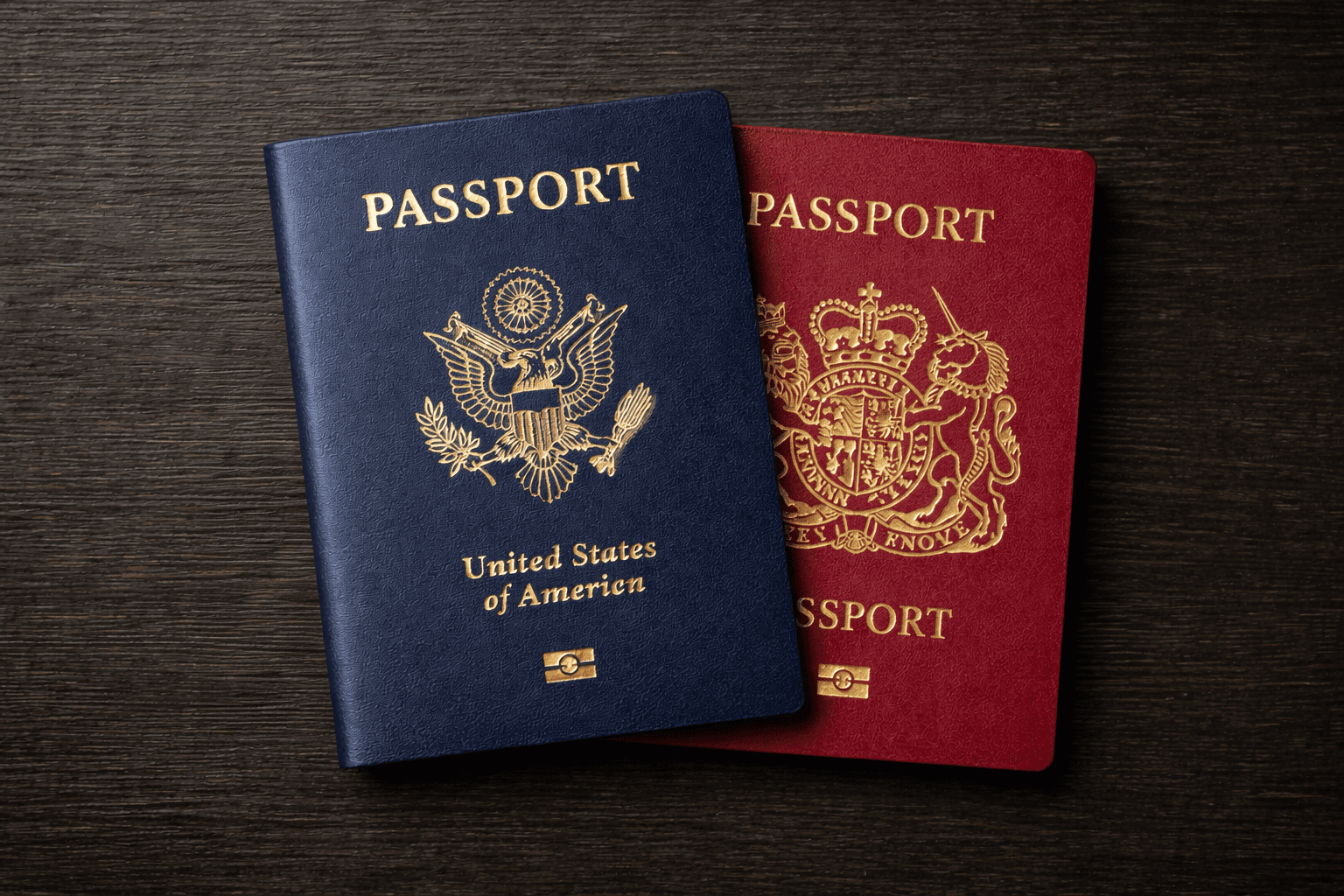
Washington, D.C. — A new Senate bill would require U.S. citizens who also hold another country’s citizenship to choose one, a shift that could affect families with international ties, including parents raising children eligible for two passports.
The proposal, S. 3283, titled the “Exclusive Citizenship Act of 2025,” was introduced Dec. 1, 2025, by Sen. Moreno and referred to the Senate Judiciary Committee. The bill argues that U.S. allegiance should be “undivided” and says dual citizenship can create conflicts of interest.
Under the bill, a person could not be a U.S. citizen or national while simultaneously holding “foreign citizenship,” broadly defined as a status recognized by another government that confers nationality/citizenship or requires allegiance.
If enacted, the ban would take effect 180 days after enactment. After that date, a U.S. citizen who voluntarily acquires foreign citizenship would be deemed to have relinquished U.S. citizenship, according to the bill text.
For people who already have dual citizenship, the bill sets a one-year compliance window: they would need to either renounce their foreign citizenship with the Secretary of State or renounce U.S. citizenship with the Department of Homeland Security. Missing the deadline would be treated as a voluntary relinquishment of U.S. citizenship under existing law referenced in the bill.
What parents should do now: Families with dual-citizen children may want to gather key documents (passports, birth records, naturalization papers) and monitor the bill’s committee activity, since the proposal would not take effect unless it becomes law.
What’s next: The bill’s next step is consideration by the Senate Judiciary Committee.