Smart Homes and Independent Living for Families
Smart homes and independent living technologies are changing how families support aging parents and loved ones with disabilities. What once required full-time supervision can now be supported with voice assistants, remote monitoring and automated safety systems.
For many parents and adult children, the goal is clear: help loved ones stay in their own homes as long as possible. Smart homes and independent living tools offer practical solutions that promote safety, dignity and daily independence without sacrificing peace of mind.
If you are wondering how smart home technology works, whether it is affordable and how to get started, here is what you need to know.
Understanding Smart Homes and Independent Living
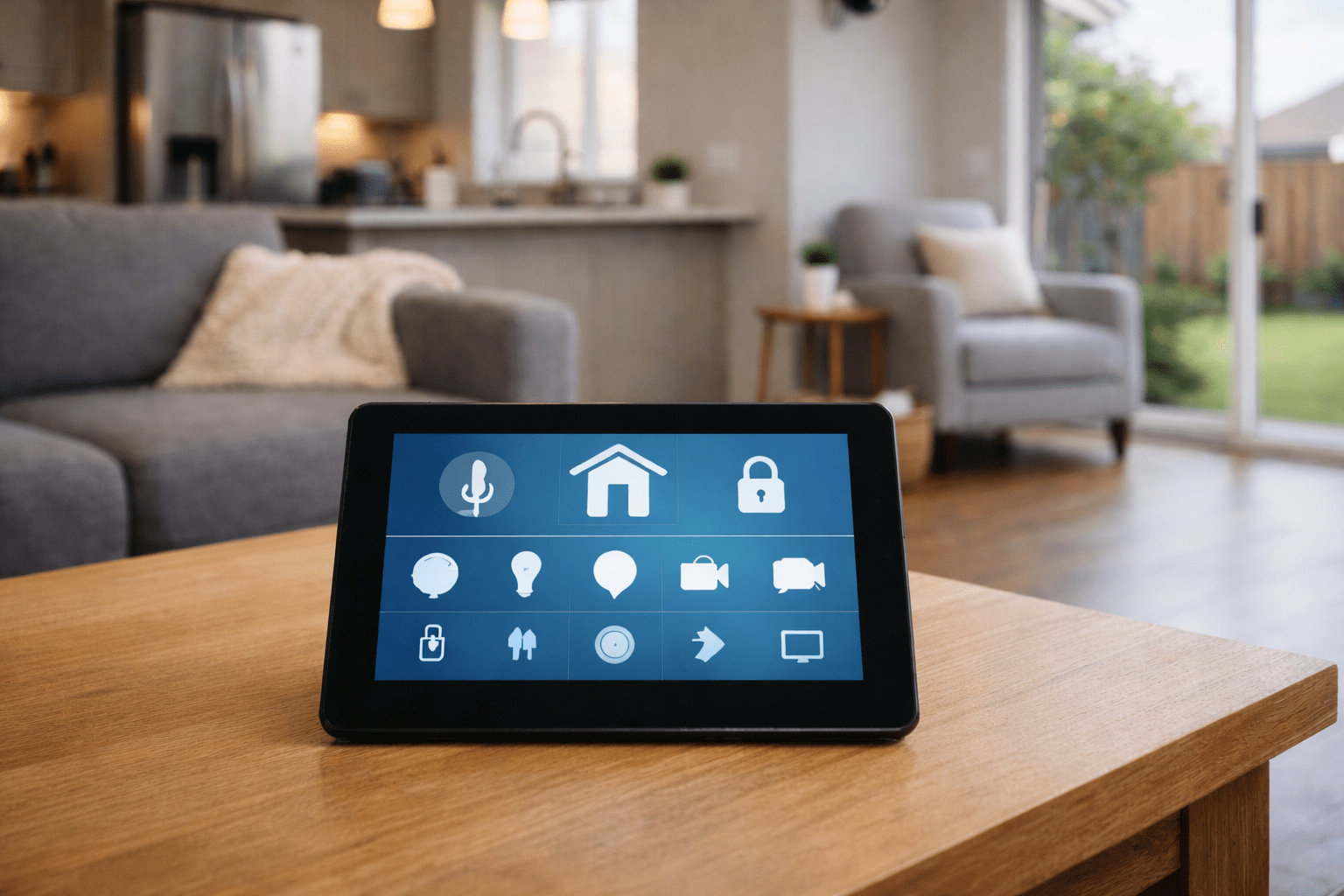
Smart homes and independent living refer to the use of connected devices and automation systems that help individuals live safely and independently in their own homes. These technologies often include:
- Voice-controlled assistants
- Smart lighting and thermostats
- Medication reminders
- Fall detection systems
- Video doorbells and security cameras
- Remote health monitoring devices
For older adults and people with physical or cognitive disabilities, these tools reduce reliance on caregivers while increasing safety.
Independent living does not mean living alone without support. Instead, it means having the right systems in place to manage daily activities, health needs and household tasks with greater autonomy.
From a policy standpoint, smart homes and independent living align with federal initiatives that support aging in place. Programs under Medicaid Home and Community-Based Services allow eligible individuals to receive care at home rather than in institutional settings. Some states also offer assistive technology grants or waivers to help cover costs.
As the population ages, smart home technology is increasingly viewed as part of long-term care planning, not just a luxury.
Recognizing the Signs or When to Be Concerned
Many families begin exploring smart homes and independent living options after noticing changes in a loved one’s ability to manage daily tasks.
Here are common signs that technology support may help:
- Missed medications
- Frequent falls or near-falls
- Difficulty managing bills or appointments
- Wandering or confusion
- Leaving appliances on
- Social isolation
Age-specific considerations can also guide decisions:
Ages 60–70:
- Early mobility concerns
- Managing multiple medications
- Beginning memory lapses
Ages 70–80:
- Increased fall risk
- Slower reaction times
- Chronic health conditions requiring monitoring
Ages 80 and older:
- Higher likelihood of cognitive decline
- Greater need for daily reminders
- Increased emergency response needs
Red flags that require immediate attention include repeated falls, missed medical appointments, unpaid bills and noticeable changes in behavior or hygiene.
If you find yourself asking, “When should I consider smart home monitoring?” the answer is often earlier than expected. Installing technology before a crisis allows families to test systems gradually and reduce resistance.
The Research or Science Behind It
The science behind smart homes and independent living centers on safety, cognitive support and aging brain health.
Research shows that most older adults prefer aging in place. According to AARP surveys, nearly 80 percent of adults over age 50 want to remain in their homes as they age. However, fall-related injuries are a leading cause of hospitalization for older adults.
Brain development and aging research show that executive function, memory and reaction time decline gradually with age. Smart reminders, automated lighting and voice commands reduce cognitive load. This helps preserve mental energy for meaningful activities rather than daily logistics.
Studies on fall detection systems and home monitoring suggest early alerts reduce emergency response time and improve outcomes after accidents. Remote health monitoring can also track blood pressure, glucose levels and heart rate, allowing providers to intervene before complications escalate.
Timing matters. Introducing smart homes and independent living tools early allows individuals to learn systems while cognitive function remains strong. Waiting until advanced decline can increase confusion and resistance.
Long-term outcomes show that supportive home technology can delay institutional care, reduce caregiver stress and lower healthcare costs when paired with appropriate medical oversight.
How to Access Support or Take Action
If you are considering smart homes and independent living solutions, start with a structured plan.
Step 1: Assess Needs
Make a list of safety concerns, mobility issues and daily challenges. Prioritize fall prevention, medication management and emergency response.
Step 2: Consult Health Providers
Ask your loved one’s primary care provider for recommendations. Occupational therapists can perform home safety evaluations and suggest assistive technology.
Step 3: Research Funding Options
Ask:
- Is it free through Medicaid waiver programs?
- How to qualify for home modification grants?
- What happens if private insurance does not cover devices?
Check state Medicaid offices, Area Agencies on Aging and nonprofit disability organizations for funding assistance.
Step 4: Start Small
Begin with simple tools such as smart speakers for reminders or motion-activated lighting. Gradually add devices like fall detection or remote cameras if appropriate.
Step 5: Review Privacy and Consent
Have open conversations about monitoring. Explain what data is collected and who can access it. Transparency builds trust.
Step 6: Set Up Emergency Plans
Ensure emergency contacts are programmed into devices. Test systems monthly to confirm alerts work properly.
Parents supporting adult children with disabilities may also request assistive technology evaluations through school districts or state vocational rehabilitation programs. Under certain disability laws, schools must consider assistive technology if it supports educational access.
What Happens Next or Transition Planning
After installing smart home systems, families should monitor how well the technology fits daily routines.
In the first 30 to 90 days, expect adjustments. Some devices may need repositioning. Voice recognition systems may require training. Older adults may need reminders to use features.
If cognitive decline progresses, additional supports may be necessary. Smart homes and independent living tools can complement, but not replace, in-person care when needed.
For individuals with disabilities transitioning from school to adulthood, assistive technology should be included in transition planning by age 16 under federal education law. Families can request documentation of devices used successfully in school to replicate similar supports at home.
Long-term planning may include:
- Integrating telehealth services
- Coordinating with home health aides
- Updating emergency response systems
- Reassessing eligibility for Medicaid waivers
The goal is flexibility. Technology should evolve as needs change.
Frequently Asked Questions (FAQ)
What are smart homes and independent living technologies?
Smart homes and independent living technologies include connected devices that improve safety, automate tasks and support aging in place. Examples include voice assistants, fall detection systems and medication reminders.
When should I consider smart home technology for aging parents?
Consider it after early warning signs like missed medications or minor falls. Starting before a crisis allows smoother adoption and better long-term outcomes.
Is smart home technology covered by Medicaid or insurance?
Some Medicaid Home and Community-Based Services waivers may cover assistive technology. Coverage varies by state, so families should contact their state Medicaid office to learn how to qualify.
How do I choose the right independent living devices?
Start with a home safety assessment. Focus on fall prevention, medication management and emergency alerts before adding convenience features.
Can smart homes replace caregivers?
No. Smart homes and independent living tools support independence but do not replace human care when medical or personal assistance is required.
Are smart home monitoring systems safe and private?
Most systems include privacy settings and encryption. Families should review data-sharing policies and ensure informed consent before installation.
Why This Matters for Parents
As more families balance caregiving with work and raising children, smart homes and independent living solutions offer a practical bridge. They allow aging parents and loved ones with disabilities to maintain dignity and autonomy while giving families reassurance that safety systems are in place.
Technology cannot replace compassion, but it can extend independence.
References
Centers for Disease Control and Prevention: Important Facts About Falls
National Institute on Aging: Aging in Place Growing Older at Home
U.S. Department of Health and Human Services: Home and Community-Based Services
Administration for Community Living: Assistive Technology Programs
AARP: Home and Community Preferences Survey
Parent Center Hub: Assistive Technology and IDEA