The Complete Guide to IEPs in 2026 for Parents
Parents often hear the term IEP and feel overwhelmed. You may wonder how to qualify, what services your child can receive or what your rights are in today’s schools. With updated federal guidance, growing awareness of learning differences and changes in school staffing, understanding IEPs in 2026 is more important than ever.
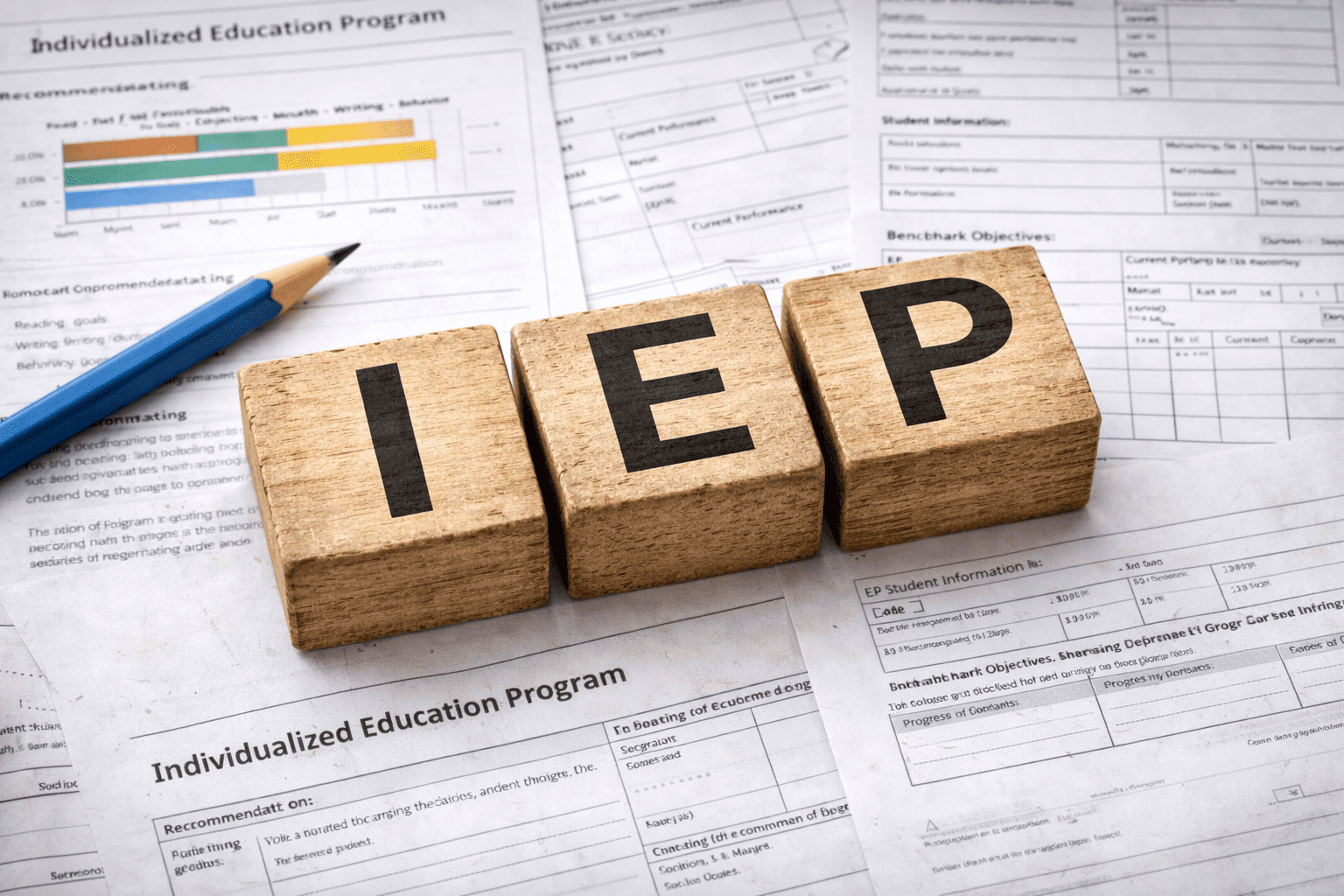
An Individualized Education Program, or IEP, is a legally binding plan designed to support students with disabilities. If your child is struggling academically, socially or behaviorally, knowing how IEPs in 2026 work can help you act early and confidently.
This guide walks you through the entire process, step by step, so you know exactly what to expect and how to advocate effectively.
Understanding IEPs in 2026
An IEP is a written plan developed under the Individuals with Disabilities Education Act, or IDEA. It outlines specialized instruction, accommodations and related services for students who qualify for special education.
IEPs in 2026 still follow federal IDEA requirements, but districts may implement updated procedures related to evaluation timelines, inclusive practices and digital documentation. The core legal protections remain the same:
- Your child has the right to a free appropriate public education, or FAPE
- Services must be provided in the least restrictive environment, or LRE
- Parents are equal members of the IEP team
- Evaluations must be comprehensive and nondiscriminatory
To qualify, a child must have one of 13 disability categories under IDEA, including:
- Specific learning disability
- Autism spectrum disorder
- Speech or language impairment
- Other health impairment, including ADHD
- Emotional disturbance
- Intellectual disability
- Developmental delay, for younger children
The disability must affect educational performance and require specialized instruction.
IEPs in 2026 continue to include:
- Present levels of academic and functional performance
- Measurable annual goals
- Special education services
- Related services such as speech, occupational therapy or counseling
- Accommodations and modifications
- Participation in state assessments
- Transition planning starting by age 16, sometimes earlier
The IEP is reviewed at least once a year and reevaluated every three years, unless parents and schools agree otherwise.
Recognizing the Signs or When to Be Concerned
Many parents ask, “When should I request an IEP evaluation?” The answer: as soon as you see persistent concerns that are not improving with regular classroom support.
Here are common red flags by age group.
Preschool (Ages 3–5)
- Limited speech or difficulty being understood
- Trouble following simple directions
- Extreme tantrums beyond developmental norms
- Delays in motor skills
- Difficulty interacting with peers
Elementary School
- Struggles with reading, writing or math despite effort
- Avoids school or complains of frequent stomachaches
- Trouble focusing or sitting still beyond peers
- Difficulty making or keeping friends
- Significant behavior challenges
Middle and High School
- Failing grades despite study time
- Anxiety or school refusal
- Difficulty organizing assignments
- Poor self-advocacy skills
- Disciplinary actions linked to disability
Clear examples of when to act:
- Your child receives repeated intervention but shows minimal progress
- Teachers mention concerns but no formal plan is offered
- You suspect dyslexia, ADHD or autism and want a formal evaluation
Parents do not need a medical diagnosis to request an evaluation. In IEPs in 2026, a written request to the school triggers a legal timeline for response.
The Research or Science Behind It
Decades of research support early identification and targeted intervention.
Brain development is most flexible in early childhood, especially in areas tied to language, executive function and emotional regulation. Studies from the National Institutes of Health show that early intervention improves academic achievement, social skills and long-term independence.
For students with learning disabilities such as dyslexia, structured literacy instruction changes how the brain processes language. For students with ADHD, behavioral supports and executive function coaching improve attention and task completion. For children with autism, early social communication therapy strengthens neural pathways tied to interaction and language.
Long-term outcomes improve when:
- Services begin early
- Goals are measurable and monitored
- Parents are active participants
- Transitions are planned thoughtfully
Timing matters. Waiting several years after signs appear can widen academic gaps and affect self-esteem. IEPs in 2026 emphasize data-driven progress monitoring to adjust services quickly when a child is not improving.
How to Access Support or Take Action
If you suspect your child needs an IEP, follow these steps.
Step 1: Submit a Written Request
Write a short letter or email to the principal or special education coordinator requesting a comprehensive evaluation. Keep a copy for your records.
Schools typically must respond within a set timeline, often 10 to 15 school days depending on your state.
Step 2: Provide Consent for Evaluation
The school will ask for written consent before testing. Once you sign, federal law generally requires completion within 60 calendar days, though state rules may vary.
Evaluations may include:
- Academic testing
- Cognitive assessments
- Speech and language evaluation
- Behavioral observations
- Occupational or physical therapy assessments
Step 3: Attend the Eligibility Meeting
The team reviews results and determines whether your child qualifies under IDEA. You can bring notes, questions or an advocate.
If eligible, the team develops the IEP.
Step 4: Review the IEP Carefully
Before signing, review:
- Are the goals specific and measurable?
- How often will services occur?
- Where will services be delivered?
- How will progress be reported?
Ask for clarification in writing if needed. You have the right to disagree and request mediation or due process.
Step 5: Monitor Progress
IEPs in 2026 often include digital progress tracking. Parents should receive regular updates aligned with report cards.
If progress is limited, request an IEP meeting. You do not have to wait for the annual review.
Is it free? Yes. Evaluations and IEP services are provided at no cost to families in public schools.
What Happens Next or Transition Planning
Once an IEP is in place, services begin as outlined in the plan.
Parents can expect:
- Collaboration between general and special education teachers
- Scheduled therapy sessions if included
- Accommodations such as extended time, small-group instruction or assistive technology
Each year, the team meets to revise goals and services. Every three years, a reevaluation determines continued eligibility.
For preschoolers, transition planning begins before kindergarten to ensure services continue without interruption.
For older students, transition planning is critical. By age 16, IEPs must include:
- Postsecondary goals
- Career exploration
- Independent living skills if appropriate
- Connections to vocational programs
IEPs in 2026 place increased emphasis on preparing students for employment, college and community participation.
Long term, many students gradually need fewer supports. Others continue receiving services through high school graduation or until age 21, depending on state rules.
The goal is independence, self-advocacy and meaningful progress.
Frequently Asked Questions (FAQ)
What is the difference between an IEP and a 504 plan?
An IEP provides specialized instruction under IDEA, while a 504 plan provides accommodations under Section 504 of the Rehabilitation Act. IEPs in 2026 include measurable goals and formal services, while 504 plans typically adjust classroom access without specialized teaching.
How do I qualify for an IEP in 2026?
Your child must have a qualifying disability under IDEA and demonstrate that the disability impacts educational performance. A comprehensive evaluation determines eligibility.
How long does the IEP process take?
After you request an evaluation and provide consent, schools usually have about 60 days to complete testing. Timelines for IEPs in 2026 may vary slightly by state.
Can I request an independent evaluation?
Yes. If you disagree with the school’s evaluation, you can request an Independent Educational Evaluation, or IEE, at public expense. The school must respond formally.
What happens if the school says my child does not qualify?
You can request a written explanation, seek mediation, file a state complaint or pursue due process. Parents have procedural safeguards under IDEA.
When should I move from a 504 plan to an IEP?
If accommodations alone are not enough and your child needs specialized instruction, it may be time to request an IEP evaluation.
Are private school students eligible for IEPs?
Public school students are fully covered under IDEA. Private school students may have limited access to services through their local district, but the process differs.
References
Centers for Disease Control and Prevention: Individualized Education Programs (IEPs)
U.S. Department of Education: Individuals with Disabilities Education Act (IDEA)
National Institutes of Health: Early Intervention and Brain Development Research
Parent Center Hub: Guide to the IEP Process
U.S. Department of Education: Procedural Safeguards Under IDEA