
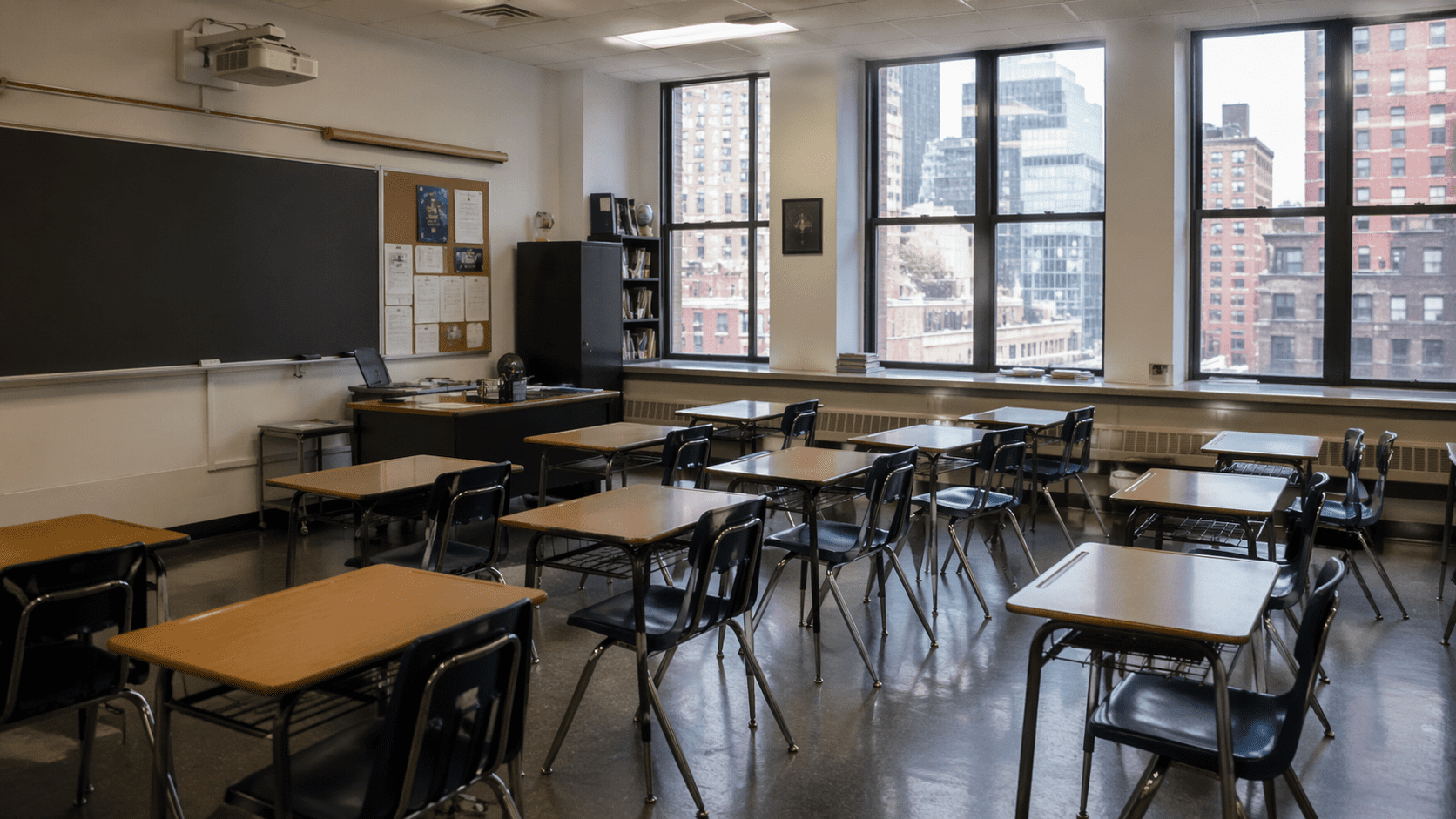
School Refusal in NYC: Signs, Causes, Parent Steps
School refusal in NYC is more than a child complaining about a bad day or asking to stay home once in a while. It usually looks like ongoing distress tied to going to school, staying in school, or even getting out the door in the morning. For parents, it can feel confusing, urgent and deeply personal all at once.
Many children who struggle with school refusal are not being defiant in the usual sense. They may be overwhelmed, anxious, embarrassed, exhausted or dealing with a learning, social or mental health challenge that makes school feel unbearable. In a city as large and fast-moving as New York, families may also face long commutes, school transitions, crowded settings and inconsistent access to support.
The good news is that early action can help. When parents recognize the signs of school refusal in NYC and respond quickly, they can often reduce missed school days, protect a child’s emotional well-being and start building a realistic plan with the school.
Understanding School Refusal in NYC
School refusal is a pattern of avoiding school or having extreme difficulty attending because of emotional distress. It is not an official medical diagnosis, but it is a well-known term used by educators, pediatricians and mental health professionals. A child with school refusal may cry, panic, complain of physical symptoms or shut down when school is mentioned.
This is different from truancy. Truancy usually refers to unexcused absences without significant parent knowledge or without a strong emotional component. With school refusal, parents typically know there is a problem and are often trying hard to get their child to school.
In New York City, attendance matters legally and educationally. Students are expected to attend school regularly, and frequent absences can trigger school outreach, attendance reviews and concern about academic progress. At the same time, families have rights. If a child’s attendance problems are linked to anxiety, disability, medical needs or mental health concerns, parents can ask for evaluation, accommodations and support through the school system.
School refusal can happen at any age, but it often spikes during key transition periods. Common trigger points include starting kindergarten, moving from elementary to middle school, entering high school, returning after illness, changing schools or experiencing bullying or academic failure.
Recognizing the Signs or When to Be Concerned
School refusal in NYC often starts subtly, then builds. Parents may notice a child becoming distressed on Sunday nights, asking to stay home more often or spending a long time in the nurse’s office.
Signs to watch for include:
- Frequent stomachaches, headaches or nausea before school
- Crying, panic, anger or shutdowns during the morning routine
- Repeated requests to stay home for vague physical symptoms
- Trouble sleeping, especially on school nights
- Extreme clinginess or fear of separation
- Regular lateness, class avoidance or calling home from school
- Sudden decline in grades or missed assignments
- Refusal to ride the bus or subway, enter the building or leave the car
- Social withdrawal, bullying concerns or fear of embarrassment
- Strong relief or mood improvement once staying home is allowed
Age patterns can look different:
- Young children: crying, tantrums, separation anxiety, physical complaints
- Tweens: stomachaches, irritability, peer conflict, fear of tests or teachers
- Teens: oversleeping, skipping classes, panic symptoms, depression, social avoidance, school disengagement
Red flags that need prompt attention include:
- Missing multiple days in a short period
- Panic attacks or severe anxiety about school
- Statements such as “I can’t do this” or “I’m not safe there”
- Concerns about bullying, harassment or trauma
- Self-harm talk, hopelessness or major mood changes
- Persistent symptoms lasting more than two weeks
Parents should be concerned when school avoidance becomes a pattern, not just a phase. One missed day can quickly become five, then 10. The longer a child stays out, the harder returning can feel.
The Research or Science Behind It
Research shows that school refusal is often tied to anxiety, depression, learning differences, autism, ADHD, trauma, bullying or stressful life events. Some children fear separation. Others fear failure, social judgment, sensory overload or a specific person or place at school.
Brain development helps explain why the reaction can look so intense. In children and teens, the brain systems involved in threat detection and emotional reactivity can become highly activated under stress. At the same time, self-regulation and flexible problem-solving are still developing. That means a child may truly feel that school is unsafe even when adults see the situation differently.
Avoidance can bring quick relief, which is part of why school refusal can grow fast. When a child stays home and feels better immediately, the brain learns that avoiding school reduces distress. Over time, that can make returning even harder. This is why timing matters. Early support is usually more effective than waiting for the problem to pass on its own.
Long-term outcomes depend heavily on how quickly the issue is identified and addressed. When school refusal continues without support, children may fall behind academically, lose peer connections and develop worsening anxiety or depression. When families intervene early with school-based help, medical care or therapy, many children improve and return to more consistent attendance.
How to Access Support or Take Action
Parents dealing with school refusal in NYC often need a plan for this week, not next month. Start by focusing on both attendance and the reason behind the avoidance.
Step 1: Document the pattern.
Write down missed days, physical complaints, morning behaviors, triggers and what happens when your child stays home. This record helps when speaking with the school or a doctor.
Step 2: Contact the school right away.
Email the teacher, school counselor, social worker, dean or attendance team. Ask for a meeting to discuss barriers to attendance and an immediate support plan. Be specific about what your child is saying or showing.
Step 3: Ask direct questions.
Has anyone noticed bullying, academic struggles, social conflict, sensory issues or changes in mood? Has your child been visiting the nurse often? Is there a pattern by class, time of day or staff member?
Step 4: Schedule a pediatric visit.
Physical symptoms should be taken seriously. A pediatrician can rule out medical issues, screen for anxiety or depression and provide documentation when needed.
Step 5: Request evaluation if needed.
If you suspect a disability affecting attendance, learning or emotional functioning, ask the school in writing for an evaluation. Families may also request consideration for a 504 Plan or special education services if the child may qualify.
Step 6: Ask what supports can start now.
Possible supports include check-ins at arrival, reduced demands during re-entry, counseling, schedule adjustments, safe staff contact, academic flexibility or a crisis response plan.
Step 7: Create a short-term return plan.
For some children, a gradual return is appropriate. For others, a quick, structured return with strong support works better. The plan should include who greets the child, where they go if overwhelmed and how missed work will be handled.
Parents have the right to ask for meetings, evaluations, written plans and language access if needed. Put requests in writing and keep copies. Timeline expectations vary, but schools should respond to urgent attendance and mental health concerns quickly, even when formal evaluation takes longer.
What Happens Next or Transition Planning
After parents raise concerns, the next phase usually involves problem-solving, not perfection. Expect some trial and error. A child may attend for two days, then struggle again. That does not mean the plan failed. It means the plan may need adjustment.
If your child qualifies for a 504 Plan or an IEP, attendance-related supports may become part of a more formal structure. Younger children may need help transitioning into classroom routines. Older students may need support around workload, peer issues, hallway transitions or first-period anxiety.
For children moving between preschool and kindergarten, elementary and middle school or middle and high school, transition planning matters. Parents can ask for orientation supports, staff introductions, visual schedules, building tours or a gradual start to reduce anxiety.
Long term, the goal is not just getting a child through the door. It is helping them feel safe, connected and able to learn. With the right combination of school partnership, mental health support and clear expectations, many families see real improvement.
Frequently Asked Questions (FAQ)
What is school refusal in NYC?
School refusal in NYC is ongoing difficulty attending school because of emotional distress, not simple misbehavior. It can involve anxiety, depression, bullying, learning challenges or other problems that make school feel overwhelming.
When should I worry about my child refusing school?
Parents should act when a child misses multiple days, has repeated physical complaints or shows panic, shutdowns or intense distress around school. Early help matters because school refusal can worsen quickly.
Can I ask the school for help with school refusal?
Yes. Parents can request a meeting, ask for counseling or attendance supports and raise concerns about bullying, disability or mental health. If needed, you can also request an evaluation for a 504 Plan or special education services.
What causes school refusal in NYC students?
Common causes include anxiety, bullying, depression, ADHD, autism, learning disabilities, family stress, school transitions and academic pressure. In some cases, long commutes or sensory overload can add to the problem.
Is therapy helpful for school refusal?
Therapy is often very helpful, especially when school refusal is linked to anxiety or depression. Cognitive behavioral therapy and parent-supported treatment approaches are commonly used, along with school-based support.
What happens if my child keeps missing school?
Frequent absences can affect grades, peer relationships and mental health. Schools may begin attendance outreach, but families can and should seek support early so the focus stays on solving the problem, not blaming the child.
References
Centers for Disease Control and Prevention: Children’s Mental Health
National Institute of Mental Health: Children and Mental Health
U.S. Department of Education: Supporting Child and Student Social, Emotional, Behavioral and Mental Health
Office of Special Education and Rehabilitative Services: A Guide to the Individualized Education Program
Center for Parent Information and Resources: Overview of Section 504
Child Mind Institute: School Refusal and Anxiety in Children


whoah this blog is great i love reading your articles. Keep up the great work! You know, many people are looking around for this info, you can aid them greatly.